Mask-Group-225

Early Childhood Education: Building a solid foundation for a better future
Early Childhood Education: Building a solid foundation for a better future

Mask Group 225

Stimulates brain development

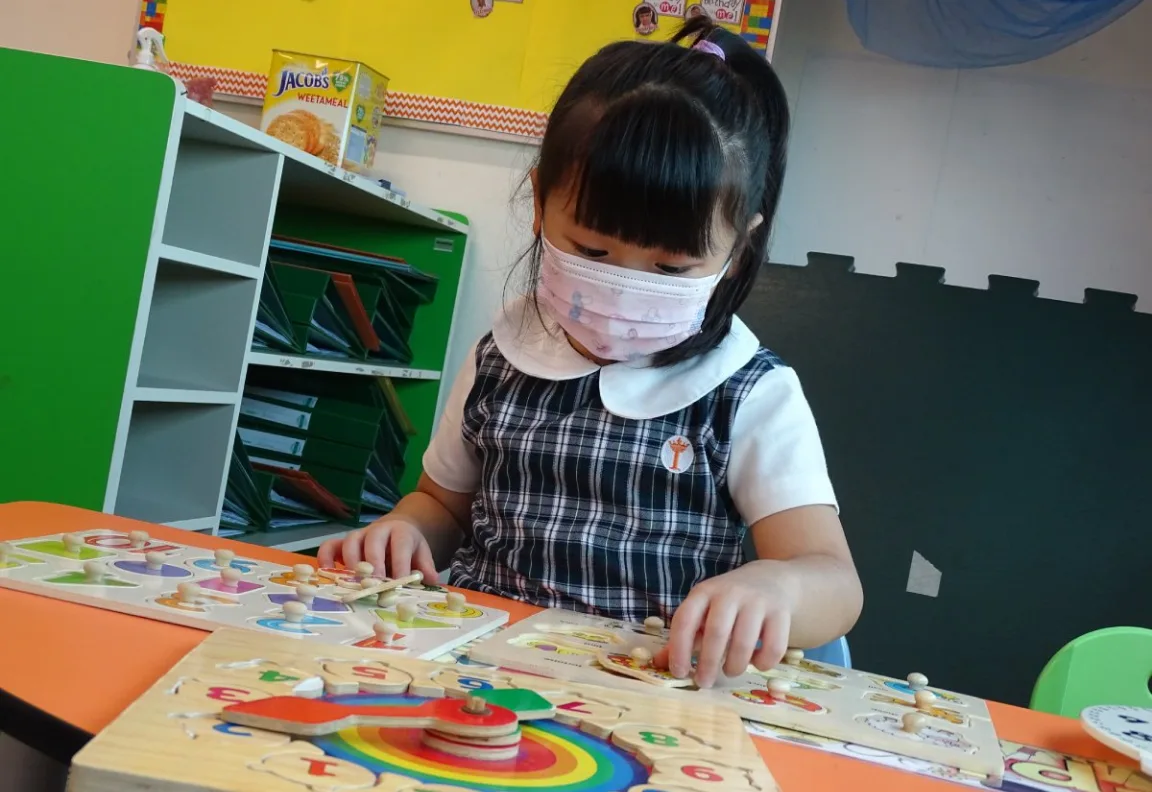
Research says that the early years of life are crucial for brain development and should be treated as a window of opportunity for learning. At this time in your child’s life, the brain is growing rapidly and new neural pathways are being formed to support learning.

Hence, children need to be exposed to a stimulating environment. They learn and develop best through play, hands-on experiences, and positive interactions with educators and other children. 

Enhances social skills 

Early childhood education teaches children several skills that are the building blocks for social and emotional development. These include learning to take turns with their peers, engaging in cooperative play, and solving conflicts. 

As they grow into school-aged children, they are increasingly aware of how their actions affect others. As a result, they are more likely to have positive relationships with teachers and peers at school and less likely to engage in activities such as bullying. 

Mask Group 226

Stimulates brain development

Research says that the early years of life are crucial for brain development and should be treated as a window of opportunity for learning. At this time in your child’s life, the brain is growing rapidly and new neural pathways are being formed to support learning.

Hence, children need to be exposed to a stimulating environment. They learn and develop best through play, hands-on experiences, and positive interactions with educators and other children.

Enhances social skills

Early childhood education teaches children several skills that are the building blocks for social and emotional development. These include learning to take turns with their peers, engaging in cooperative play, and solving conflicts.

As they grow into school-aged children, they are increasingly aware of how their actions affect others. As a result, they are more likely to have positive relationships with teachers and peers at school and less likely to engage in activities such as bullying.
Article 7 Image 3 scaled 1

Fosters independence 

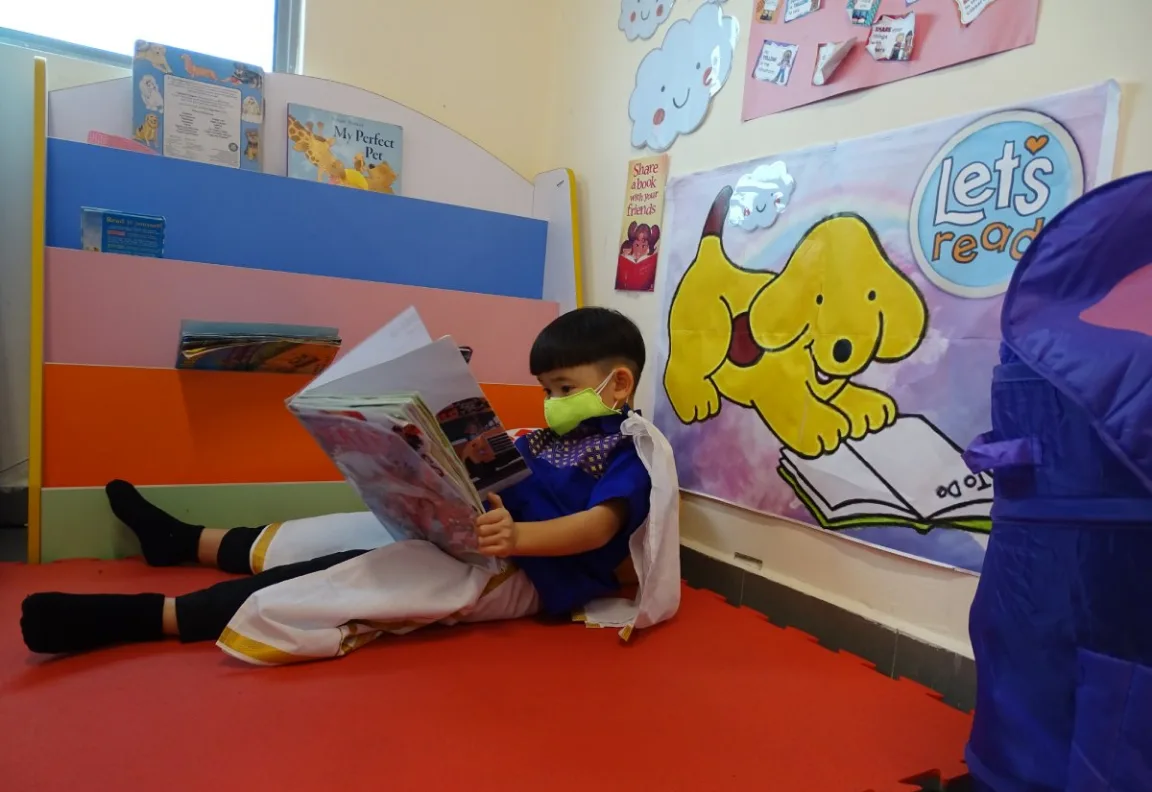
For most children, participating in early childhood education is their first step toward independence. Spending time away from the family allows children to gain self-confidence and discover who they are as individuals.

When children are given the opportunity to explore the environment at their own pace, they learn to explore, try new things, make their own choices and develop self-regulation skills. The ability to follow directions, stay focused on a task, and think for themselves are all crucial skills that build on each other in young children. 

Sparks curiosity

Children have an innate curiosity about the world around them. It’s important to invest in early education that fosters their curiosity by giving them opportunities to learn about how things work, what they do and why they are the way they are. This sparks children’s interest in their environment while helping them discover their interests and passions.

Children learn best when their curiosity is encouraged. The more curious children are, the more likely they are to delve deeply into their interests and develop a lifelong love for learning.

Develops self-esteem

Having a strong sense of well-being is vital for every child. It gives them the confidence, optimism and self-esteem that enables them to explore their talents, skills and interests.

Children who are raised in an environment of love and mutual respect are more likely to trust others and learn how to manage their emotions. Positive relationships with teachers and peers can foster a sense of self-worth that allows children to approach problems and situations with confidence.
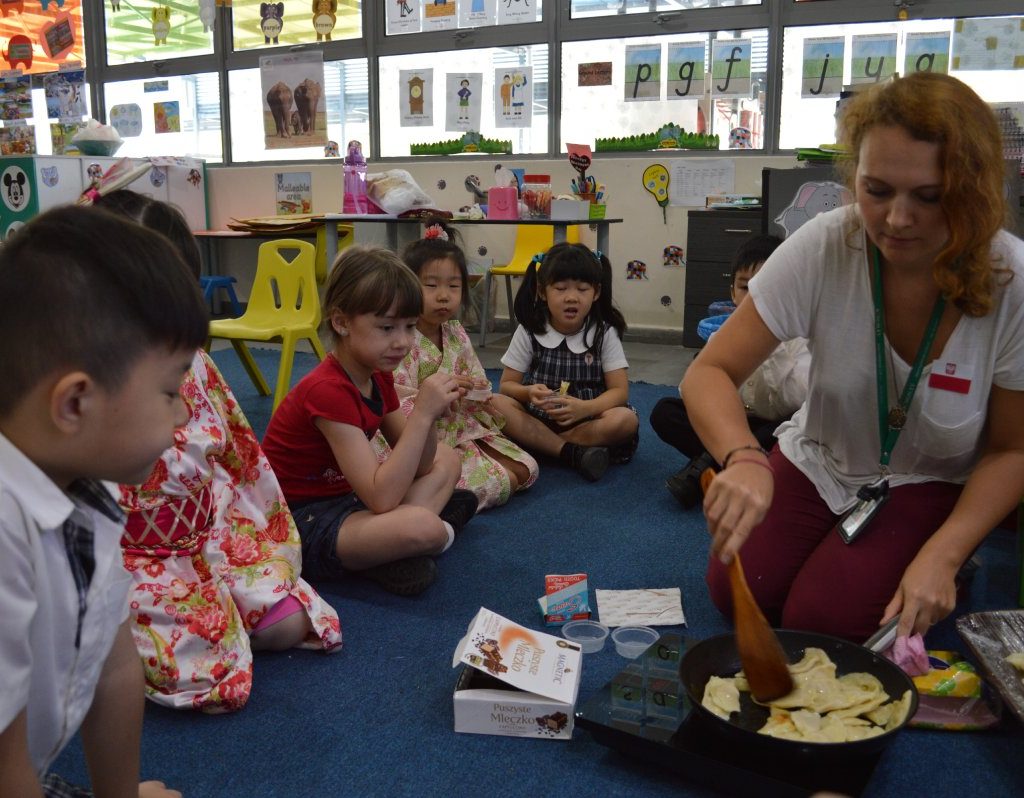
Image 3

Maple Leaf Kingsley International School – Enriching Your Child’s World

The early childhood years are a time of great discovery and a good head start can lead to a happy and successful adulthood. At MLKIS, we believe that building a nurturing community around the child helps them become more integrated, confident and happy within the school environment. 

Our Early Years Department aims to foster a positive sense of self and respect for others in all of our children. By providing a safe and supportive environment, each child is encouraged to pursue their own interests, at their own pace.

Our Early Years Programme allows children to develop their fullest potential by creating an environment where differences are recognised, understood and appreciated. 

We are committed to all-round development of children through Activities both indoor and outdoor activities, using various areas and resources to provide a holistic learning experience.

Our 7 main areas of learning and development include Personal, Communication & Language, Physical, Literacy, Mathematics, Understanding the world, and Expressive Art & Design.

The early years are vital because they lay the foundation for later life: the right support during these years can make all the difference to a child’s future achievements.

Click here to know more about our Early Years Programme.
Banner

Top 5 Reasons Cambridge IGCSE is the Best Choice for Your Child

Top 5 Reasons Cambridge IGCSE is the Best Choice for Your Child

Banner

As the global economy expands and evolves at an unprecedented rate, it’s vital for students to receive an education that equips them with skills for the future – one that encourages life-long learning and fosters an informed curiosity about the world.

The Futures of Education report by UNESCO stresses the importance of a curriculum that emphasises “ecological, intercultural, and interdisciplinary learning” in empowering “future generations to reimagine their futures and renew their worlds.”

We at Maple Leaf Kingsley International School believe that the IGCSE curriculum is an excellent choice for students looking for a rigorous and relevant secondary school education that imparts the skills they need to be successful beyond school – at university, the workplace and whatever path the student chooses to take.

Image 1 article10

Why should you opt for the IGCSE curriculum?

The International General Certificate of Secondary Education (IGCSE) is an internationally recognised program for students aged 14 to 16 years. Cambridge IGCSE courses are designed to build confidence and independent thinking in 21st-century learners, helping them prepare for a wide range of educational pathways.

Here are 5 insights on why IGCSE is the best choice for your child:

Globally recognised qualification

Cambridge IGCSE is highly regarded and valued by leading universities, employers and other educational institutions worldwide. More than 2,200 universities and colleges across the world, including all universities in the UK, over 850 universities in the US and many other countries such as Singapore, Germany, Canada, Australia and the Netherlands accept Cambridge qualifications. This opens up a world of opportunities for curious individuals and career advancement.

Students who achieve IGCSE are considered academically accomplished. The rigorous curricula, which are continually reviewed by international experts and institutions, give students a solid foundation for further education.

Broad and balanced curriculum

The Cambridge IGCSE curriculum offers a wide range of courses for learners with varying levels of ability, including those whose first language is not English. By exposing students to a broad range of subjects, the IGCSE curriculum encourages them to explore connections between subjects while developing their skills within each subject area.

It is designed to challenge the learners intellectually and cultivate their creativity while instilling respect for other cultures. The international approach to learning encourages students to develop higher-order thinking skills while preparing them to thrive in an increasingly global environment.

Image 2 article 10

Performance-based assessment

Assessments are a fundamental aspect of quality education. It should be designed to provide a fair, practical and reliable way to reflect a student’s knowledge and ability.

The IGCSEs have a grading system that ranges from A to G, with A being the highest grade. Students can choose five to fourteen IGCSE subjects, but they must pass five core subjects with a C grade or above to meet the minimum requirements.

The IGCSE assessments include a variety of testing formats including written, oral, coursework and practical assessment. This pattern of assessment is designed to reduce the stress associated with academic performance and allow students to exhibit their learning abilities.

The IGCSE assessments allow students to demonstrate their knowledge and understanding of the subject along with the ability to apply it in a real-world context.

Fosters individual development

The IGCSE curriculum offers a new approach to learning. It recognises that different students excel in different areas and uses this to motivate them by offering a variety of subjects to choose from.

By allowing students to focus on their strengths in core subjects or learn and develop themselves in extended ones, the IGCSE curriculum encourages and fosters individual development and growth through a variety of ways to learn.

Imparts valuable skills for future

The IGCSE curriculum follows a hands-on and project inquiry-based learning approach. This enables the students to learn by solving problems while they gain a deeper understanding of the subject.

IGCSE combines a focus on the in-depth study of subjects along with the development of skills for higher education and work. It provides a practical approach to learning that encourages students to think critically, solve problems, engage in independent research, collaborate on projects and present arguments based on evidence.

The active learning approach not only inspires the student to become invested in the process but also promotes the development of valuable transferable skills that lasts a lifetime.

MLKIS A1 – Banner scaled 1

Cambridge IGCSE at Maple Leaf Kingsley International School

Maple Leaf Kingsley International School offers an innovative and integrated approach to learning. The secondary school education at MLKIS equips students with the skills and knowledge they will need in preparation for the IGCSE Cambridge examinations taken in Year 11.

To prepare students for the exam, we cultivate an environment where students are encouraged to be critical and analytical thinking with good values. Our innovative teaching methods such as discussions, pair work, presentations, debates, seminars, dialogues, research work, projects and other hands-on activities provide a rich learning experience that encourages students to reflect, engage and innovate.

Our students at MLKIS benefit from a beautiful environment with 24-hour security. The number of students in each class is scaled down to enhance engagement, allow collaborative learning experiences and improve optimal interaction between teachers and students.

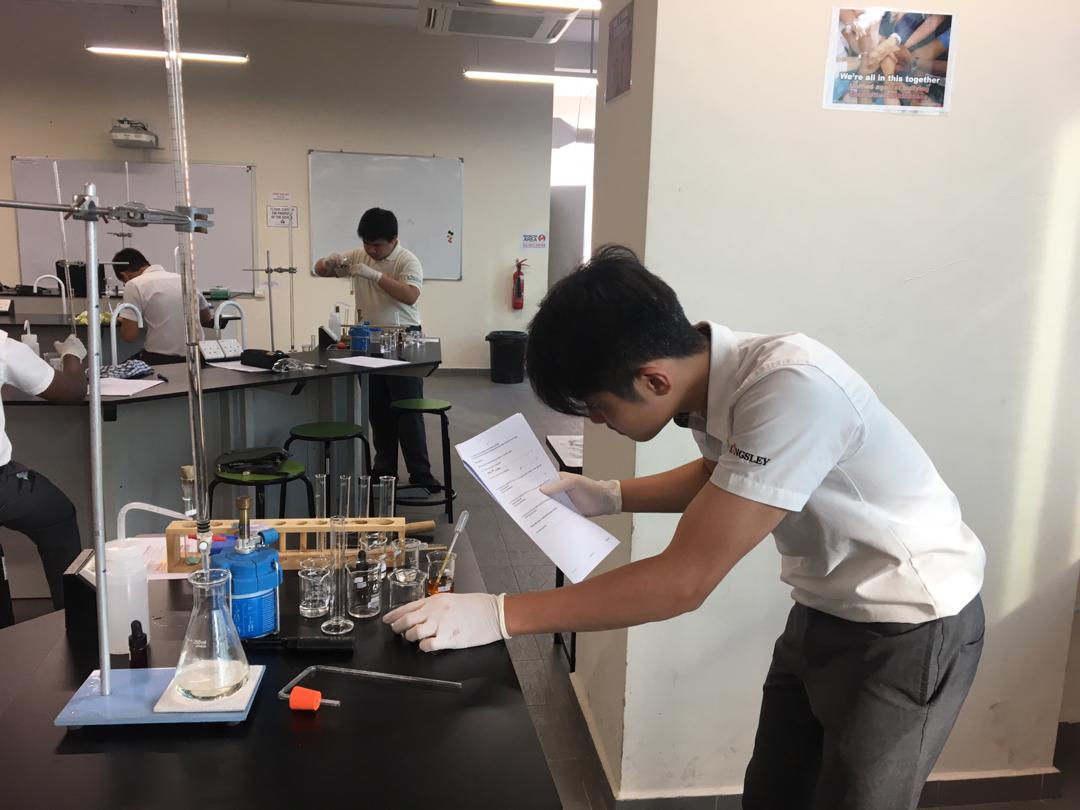
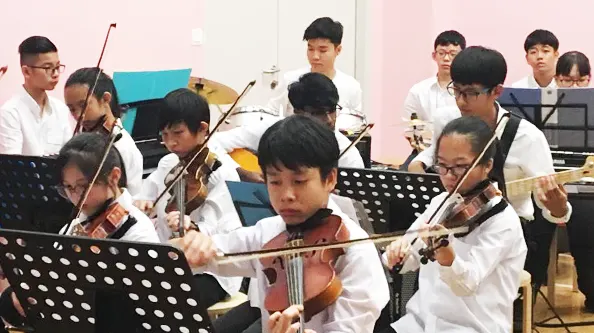
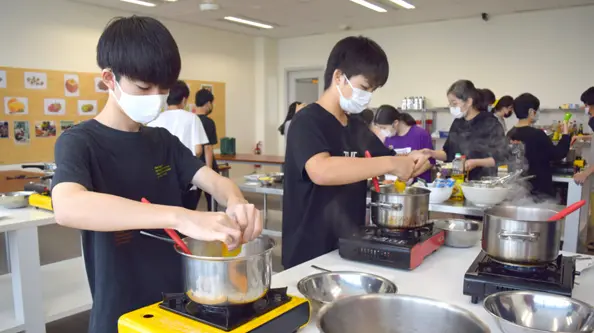
MLKIS is equipped with experienced staff and state-of-the-art facilities that are on par with international standards. Cambridge IGCSE students have access to exclusive facilities such as Science labs, Computer labs, a Wireless network across campus, Dance Studio, Music Room, Cafeteria, Library, an Olympic-sized swimming pool, Culinary arts kitchen, Badminton and Table Tennis court, a Football field and much more!

This ensures that students enjoy the rigorous academic curriculum while maintaining a healthy lifestyle through sports and co-curricular activities.

Intakes to Maple Leaf Kingsley International School for Cambridge take place in September, January and April each year.

All you need to know about Cambridge IGCSE and more!

Fondly known as Kingsley – we are a homegrown international school established in 2011. We have garnered recognition from Malaysians and Expatriate parents through our devotion to moulding the next generation through exceptional and quality British curriculum. Click here to know more about us.

Why is Maple Leaf Kingsley International School a popular choice for Secondary Schools in Malaysia?

Why is Maple Leaf Kingsley International School a popular choice for Secondary Schools in Malaysia?

Article 5 Image 5 scaled 1

Secondary school education gives young people a broader view of the world beyond their homes and communities. It helps teenagers grow socially and academically while developing lifelong skills.

According to UNESCO, “Secondary  education  is  the  school  for  young  adolescents, a  very  crucial  age  where  important  knowledge,  skills,  attitudes  and values are acquired for the rest of their lives. It is the level where future technicians  and  professionals,  scientific  personnel  and  managers  are identified, and those who will continue to study in various specialised and technical schools and at higher education level are selected.”

 An excellent secondary education gives students the opportunity for self-development as they explore different avenues of interest and possible career choices. Secondary school is not only a building block for their career and life but also a precursor for the development of the society and community as a whole.

Article 6 Banner scaled 1

Holistic education for all-round development

At Maple Leaf Kingsley International School, we offer the International Secondary Curriculum developed by the University of Cambridge International Examinations. The secondary programme at Kingsley provides students with the skills and knowledge they need to be successful in higher education and the workplace.

With a wide range of subjects to choose from, students can find ample opportunities to develop real-world skills as they learn and grow in a global community.

Our lessons are designed to be interactive and engaging. We help our students achieve their educational goals by using innovative teaching methods such as discussions, pair work, presentations, debates, seminars, dialogues, research work and hands-on activities.

Our unique programme Learning Journeys is a series of experiential learning opportunities designed to complement the classroom experience by providing students with hands-on exploration of real-world issues.

Primary school children go on day trips, while secondary school students attend overnight camps each year. Kingsley also offers Year 8 and 9 students the opportunity to participate in Overseas Exchange programmes, which broaden their world view and encourage collaboration on an international stage!

Our mission is to spark curiosity and enrich the lives of our students with real-world experiences. We work hard to produce well-rounded students who are curious about the world, seek knowledge consistently and have a good reflection of self.

MLKIS A1 – Banner scaled 1

Preparing future leaders with skills for life

Maple Leaf Kingsley International School is committed to cultivating students with strong values, good character and high achievements. Our holistic approach to nurturing confident and independent youths has proved itself effective time and again. We strive to empower the next generation of leaders by providing a rich learning environment that equips them with the knowledge and skills to conquer the world.

The state-of-the-art facilities at Kingsley promote an environment conducive to learning where students can learn and flourish. From clubs and societies to performing arts and sports, we ensure that our students get to express themselves, explore their potential and develop skills to compete among the best. Students are encouraged to ask questions, research their interests, train their bodies and let their personalities shine through!

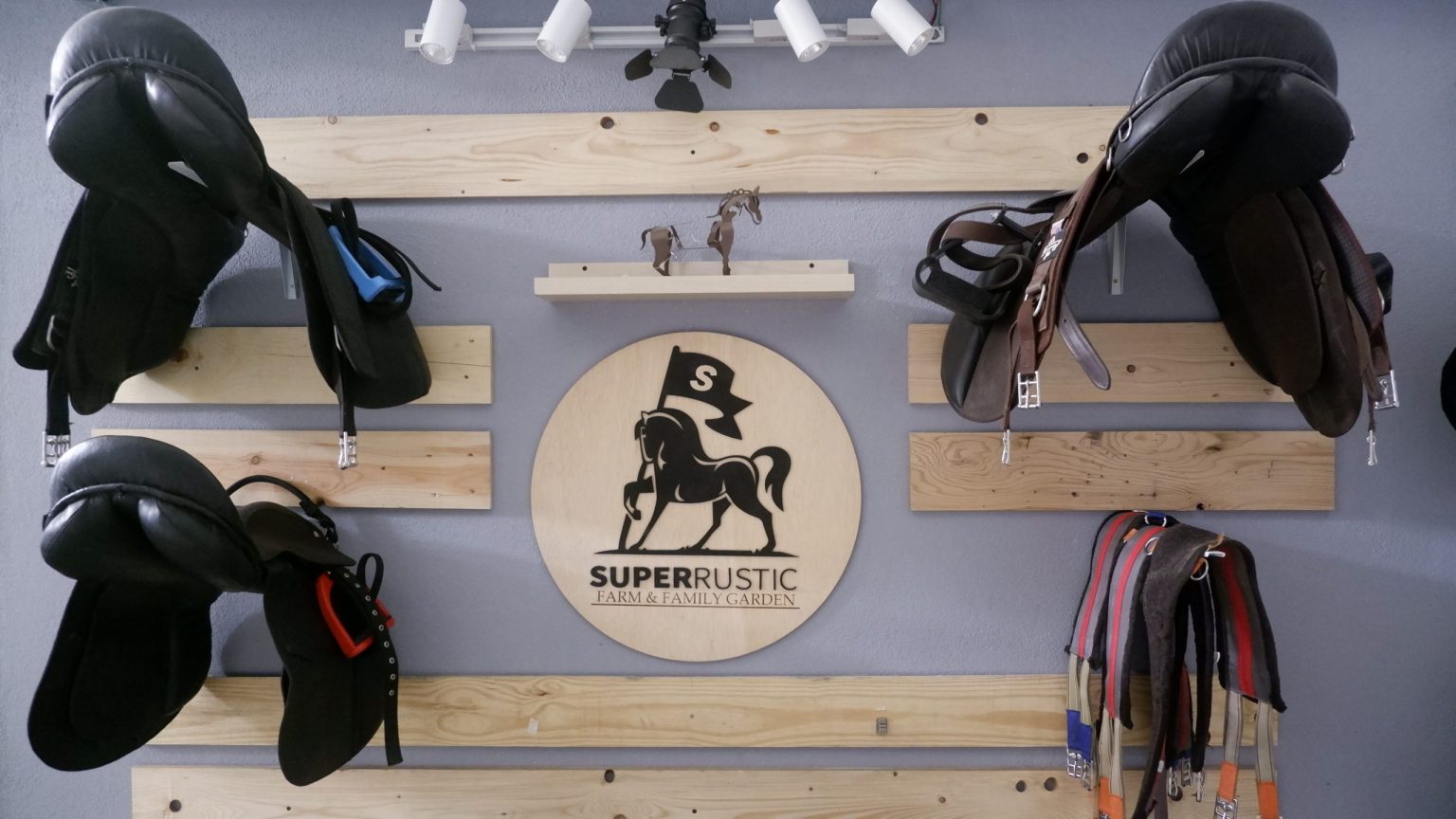
Maple Leaf Kingsley International School is the only school in Malaysia to offer Horse Riding as a part of the extracurricular and after-school activities. Trekking in Kingsley Hills is another popular activity for students and teachers alike. Students often visit the hiking trails in the weekend, accompanied by wardens or teachers to ensure safety.

Image 1 1 scaled 1

Field trips and excursions are an integral part of our curriculum. It helps students apply their knowledge to real-life situations, providing authentic opportunities to learn and explore.

We also encourage students to get involved in community service, team-building activities, and mentor-mentee programmes. These activities foster positive interactions between teachers and peers while building strong trust and genuine care.

At Kingsley, we are consistently working together with the students to nurture them into confident and independent youths who see the value in living purposefully and fearlessly. The happiness and well-being of students are our topmost priorities. Hence, we maintain a bully-free environment by taking preventative and restorative measures that impede bullying.

Fondly known as Kingsley – we are a homegrown international school established in 2011. We have garnered recognition from Malaysians and Expatriate parents through our devotion to moulding the next generation through exceptional and quality British curriculum. Click here to know more about us.
Students having a class on Skills That Will Define The Jobs

Failing Forward – The Best Way To Learn Is To Make Mistakes

Failing Forward – The Best Way To Learn Is To Make Mistakes

Students having a class on Skills That Will Define The Jobs

“I have not failed. I’ve just found 10,000 ways that won’t work.” -Thomas Edison

Have you had an experience where you learned more from a mistake than you ever did from doing things right the first time? 

Most people think of failure as the end, but it can also be instructive. Failure can help us grow, develop stronger coping skills and become more resilient.

DSC 1537 1 scaled 1

When you want to learn how to play soccer, tennis or any other sport, people understand that it is challenging. You will struggle, fall, win sometimes and lose other times.

But does the same thinking apply when we solve math problems or work our way through a challenging equation? 

It is time that we reframe our notion of failure. Our impulse to jump in and help when a student faces a problem is strong—but we need to remember that our best intentions don’t always support learning.

What is productive failure?

A project conducted by a teacher, blogger and speaker Amber Chandler is an excellent example of how the freedom to fail creates a positive learning environment. 

The goal of the project was to help students feel more comfortable taking academic risks to overcome the fear of failure. According to Chandler, “With the freedom to fail, they were also free to seek out learning experiences instead of falling back on what they already knew.” And then “The best possible outcome happened: one of my high achievers failed miserably with one of her tasks.”

“She had researched animators, found the one she wanted to interview, and tried contacting him a few ways, to no avail. And then, she did the most amazing thing: she learned from it and shared it with us in her presentation.”

That is how productive failure looks!

In a learning environment that allows students the freedom to make mistakes, problems are designed in a way to challenge students to reach beyond their grasp, encouraging them to stretch their knowledge and try new strategies. 

That is how deep learning takes place.

Article 6 Image 1 scaled 1

But does that mean failure alone is instructive?

According to learning scientist Manu Kapur, “Failure helps in building awareness and learning affect—the desire to learn—but in and of itself, it cannot get you to assemble knowledge… A teacher or expert is needed at that point to explain the problem and solution.”

Hence, it is important to design learning experiences that encourage students to embrace failure as a part of achieving their goals. 

How does Maple Leaf Kingsley International School create a positive learning environment?

We are living in a world which places high emphasis on grades, achievements and results. But at Maple Leaf Kingsley International School, we believe that the focus needs to shift to the process; allowing students to learn from their mistakes, recognise the small victories and become resilient in the face of failure.

Students who have been placed in situations where they can fail forward as part of their school experience have a unique advantage over others. They understand that failure is central to learning. Hence, they are more likely to try new things and develop the agility that our fast-paced world requires. As a result, they will be leaders grounded in confidence.

Image 3 scaled 1

Hence, we create a positive learning environment where students can feel free to learn, grow, innovate, and express themselves without the fear of making mistakes. Maple Leaf Kingsley is not just a school but an institution that instils, invests and imparts values that empower life achievers.

We encourage our students to take risks by exploring various opportunities that challenge them to develop independent thinking and problem-solving skills. 

We invest in our students by offering stimulating and challenging enrichment activities; from Taekwondo and Young Engineers to Table and Robotics; our clubs and societies provide our students with a platform that puts their capabilities to test. It enables them to be confident, exploring their potential and place in this world.

We are staunch believers in stimulating the mind, body and spirit of students. By allowing our students to explore their interests and nurture their passions, we help them to have a wholesome and happy experience at school.

We are the only school in Malaysia to offer Horse Riding as a part of the extracurricular and after-school activities. The hiking trail of Kingsley Hill has seen many footprints walk up its majestic path, with extra safety and security features installed by the school as it’s quite a popular activity. Students will often visit, accompanied by wardens or teachers, to ensure safety. 

In addition to this, our students learn the value of teamwork, sportsmanship and determination through regular sporting activities and inter-house games. 

Our vision is to mould students that can compete among the best. By combining a visionary curriculum, state-of-the-art facilities and an expansive environment to learn in, we are able to cultivate a supporting atmosphere for students, teachers and parents to flourish.

Fondly known as Kingsley – we are a homegrown international school established in 2011. We have garnered recognition from Malaysians and Expatriate parents through our devotion to moulding the next generation through an exceptional and quality British curriculum. Click here to know more about us.

Why this school in Subang Jaya is one of the best primary schools in Malaysia | Maple Leaf Kingsley International School

Why this school in Subang Jaya is one of the best primary schools in Malaysia | Maple Leaf Kingsley International School

DSC 0033 scaled 1

Let’s discuss primary education: Why is it important to choose the right school?

In Malaysia, primary education is compulsory and offered by government-run schools and private institutions. The goal of primary education is to provide children with a well-rounded education encompassing social, moral, physical and intellectual development. It not only allows children to have a grasp of basic literacy skills such as reading and writing but also lays a foundation for future academic achievement.

In a nutshell, primary school education is the bedrock upon which all other levels of education are built.

At Maple Leaf Kingsley International School, we believe that communication is essential. And building a solid foundation in the medium of instruction (English) is essential to effective learning. Thus, we cultivate a culture-rich environment that encourages students to develop strong literacy skills such as listening, speaking, reading, and writing abilities.

In addition, multi-sensory and experiential learning is extended from our Early Years Education with science kits, games, mathematical manipulatives, interactive whiteboards, computer skills and field trips for a hands-on and experiential learning journey.

Children are provided with multiple opportunities to grow in an environment conducive to learning. Our community at Kingsley works together to nurture and guide the children in reaching their full potential.

Article 7 Image 1 1536x1152 1

What curriculum do we offer?

At Kingsley, we offer the Cambridge Curriculum developed by the University of Cambridge International Examinations. IPC is a widely recognised curriculum for children aged 5 to 11 years old that helps children develop into globally competent and informed learners. The curriculum is divided into two distinct learning stages, namely Key Stage 1 and Key Stage 2.

Key Stage 1

Key learning skills are developed in a child through a hands-on and experiential approach. Kingsley exposes children to a broad range of subjects such as English Literacy, Numeracy, Science, PSHE, Music, Art, Physical Education and Modern Foreign Language (MFL). The fun-filled and cross-curricular teaching environment equips students with the confidence and strong foundation needed to move to the next level.

Article 7 Image 2 scaled 1

Key Stage 2

Key Stage 2 encompasses a broad range of subjects such as English Literacy, Mathematics, Science, and Humanities which includes History & Geography, ICT and PSHE. These subjects are delivered in an enjoyable, engaging and group-oriented learning environment where the class teachers and the subject matter experts facilitate the learning.

At Kingsley, we believe that speech and communication are essential for the holistic development of children. Thus, Bahasa Malaysia and Mandarin are incorporated into the curriculum to give each child a foundation in the two widely used languages in the country. This gives international students insight into the local culture and the ability to converse in the language. Local students, on the other hand, benefit from learning the national language while adhering to stringent national education standards.

Article 7 Image 3 scaled 1

Excursions and field trips are also key aspects of purpose-filled learning for our students. They help students apply what they have learnt in the classroom to real-life situations.

Maple Leaf Kingsley International School recognises that education and learning experiences are integral to promoting happiness and well-being in children. Our goal is to provide a safe and caring environment that encourages an atmosphere of tolerance, openness and trust. We safeguard and promote child welfare through a bully-free environment coupled with pastoral care and counselling services.

Kingsley is a place where children can feel free to learn, grow, innovate, and express themselves without the fear of making mistakes.

At Kingsley, we focus beyond producing results-oriented students. Instead, we ensure that our students go on to excel in all areas of life.

Article 7 Image 4 1536x1152 1

Excursions and field trips are also key aspects of purpose-filled learning for our students. They help students apply what they have learnt in the classroom to real-life situations.

Maple Leaf Kingsley International School recognises that education and learning experiences are integral to promoting happiness and well-being in children. Our goal is to provide a safe and caring environment that encourages an atmosphere of tolerance, openness and trust. We safeguard and promote child welfare through a bully-free environment coupled with pastoral care and counselling services.

Kingsley is a place where children can feel free to learn, grow, innovate, and express themselves without the fear of making mistakes.

At Kingsley, we focus beyond producing results-oriented students. Instead, we ensure that our students go on to excel in all areas of life.

Fondly known as Kingsley – we are a homegrown international school established in 2011. We have garnered recognition from Malaysians and Expatriate parents through our devotion to moulding the next generation through exceptional and quality British curriculum. Click here to know more about us.

A-level Education: A Quick Guide for Students and Parents

A-level Education: A Quick Guide for Students and Parents

Article 6 Banner scaled 1

Do you want to take the next step in your academic journey?

Are you keen to pursue tertiary studies abroad and apply to distinguished universities of your choice?

Whether you have a clear vision of your future or are still deciding on which path to take, Maple Leaf Kingsley International School can help you make the right choice.

Receiving an A-Level education is one of the best ways to prepare for a top university course and a successful career. This programme is ideal for students who wish to pursue their academic interests and nurture skill sets while developing key transferable skills such as communication, research, critical thinking, problem-solving and teamwork.

Article 6 Image 1 scaled 1

What are A-Levels?

The Advanced Level, or A-Level, is a pre-university qualification equivalent to other programmes such as the Australian Matriculation, Canadian Pre-university and Malaysian STPM.

Since its inception in 1951, the highly sought-after UK-based qualification conducted by the Cambridge Assessment International Education (CAIE) has provided students with in-depth knowledge and key skills that are essential in a range of work environments.

Cambridge International A-Level has a course duration of 18-24 months and requires a minimum of 5 credits (grade C and above) in SPM/IGCSE O-Level or equivalent. With more than 55 subjects offered in different combinations, students have a wide selection of subjects to choose from.

It is also important to note that the subjects offered in A-Level often include prerequisite subjects that prepare students for university and equip them with the skills required for higher education.

So, whether you have a solid education plan laid out or are open to new opportunities, this UK-based qualification provides you with a globally recognised foundation for your future.

What can I expect taking the exam?

Students sit for the University of Cambridge International Examinations Advanced (A) Level in two phases:

1) Advanced Subsidiary or AS Level (Year 1) which accounts for 50% of the overall marks for each subject.

2) A2 Level (Year 2) which accounts for another 50% of the overall marks for each subject.

Students who have successfully completed the AS Level move on to the A2 Level examinations. Universities require the overall total grade of both AS and A2 Level for university entrance.

An A-Level certificate will not be conferred without passing both the AS and A2 components.

What subjects should I choose?

When choosing your A-Level subjects, it is important to consider your aptitude, interests, academic strengths, and the career you are interested in.

At Kingsley, our commitment to offering a broad A-Level programme allows our students to align personal motivations and academic strengths with their studies.

The following list includes common A-Level subjects:

  • Mathematics
  • Biology
  • Physics
  • Chemistry
  • Further Mathematics
  • Sociology
  • Psychology
  • Business Studies
  • Accounting
  • Economics
  • Law
  • Literature
  • History

A-Level at Maple Leaf Kingsley International School

Kingsley offers an innovative approach to A-Level that will open the doors to top universities and exciting careers. Our programme is focused on building a solid foundation in key areas while preparing students for further study by encouraging them to think independently.

Our students in Kingsley study, learn and grow in a beautiful landscape with 24-hour security provided. With a goal to encourage every student to reach their full potential, the number of students in each classroom is scaled down for enhanced engagement. This allows collaborative learning experiences and optimal interaction between teachers and students, as well as peer-to-peer.

Kingsley is equipped with experienced staff and state-of-the-art facilities that are on par with international standards. A-Level students will also have access to exclusive facilities such as international standard Science labs, Computer labs, Wireless network across campus, Dance Studio, Music Room, Cafeteria, Library, Olympic-sized swimming pool, Culinary arts kitchen, Badminton and Table Tennis court, Football field and much more!

This ensures that students enjoy learning in a sophisticated setup while maintaining health through sports and co-curricular activities that become a part of their daily lifestyle.

In addition to this, Kingsley also provides guidance and preparation for UCAS applications to universities in the UK. We assist students with scholarship applications to affiliated parties and other universities of student’s choice and provide IELTS English examination preparatory classes for students interested in pursuing a bachelor’s degree in renowned universities worldwide.

Admissions to Maple Leaf Kingsley International School for A-Level commences in September and January each year for students who have completed their IGCSE/O Level examinations or equivalent.

All you need to know about A-Level (Sixth Form) and more!

Established in 2011, Maple Leaf Kingsley International School or fondly known as Kingsley is a homegrown International School that has garnered recognition from both Malaysian and Expatriate parents. We recognise that for children to become confident, engaged, innovative, reflective and respectful individuals, that is who we have to be first.

How tough a mother’s love can be?

How tough a mother’s love can be?

WhatsApp Image 2022 08 16 at 9.55.02 AM 768x1024 1

How Amir Hariz nailed his IGCSE Sociology exam after his mother denied his request to drop the subject

When Amir Hariz signed up for Sociology as his elective in Year 10, little did he know that the subject would be one of the most challenging subjects he had to deal with. 

“I thought it would be the easiest subject because the word ‘socio’ connotes socialisation and I had the perception that I would be learning how to communicate with others. I realised I was completely wrong by the end of my first term,” Amir recalled. 

The subject involved a lot of writing and its content stretches from social issues pertaining family, education, and the media to crime and social inequality. 

“The subject matter is so diverse and you have to read a lot to truly understand a topic. There is no way you can slack off because every single lesson is connected to another,” Amir said.

With the copious amounts of reading required, Amir felt he should drop the subject when he was in Year 11.

“I scored a D for Sociology in my term exam and I thought I was not going to pass this subject in my IGCSE exam. On top of that, I was struggling with other subjects. That was when I had this thought of dropping Sociology” Amir said.

However, Amir’s thought of dropping the subject was not blessed by his mother, Ms Ija Abdullah.

“I think it is a waste for Amir to drop the subject just because he is worried that he won’t be able to score a stellar result.”

“We did a readout on the subject together and we both agreed that Sociology gives a wide breadth of perspective of how humans live in this world. I find the subject stimulating for the mind and I think it is good if Amir gets to learn something new. The result is not the main point.” Ms Ija shared. 

Ms Ija thanked Amir’s Sociology teacher, Mr Peter Soh, for his endless support rendered to Amir throughout his school term.

“Mr Peter keeps Amir challenged and gives him the confidence needed to tackle the subject.” Ms Ija added.

WhatsApp Image 2022 08 16 at 9.05.41 AM 766x1024 1

When Amir’s request to drop the subject was not encouraged by his mother, he started to work closely with his teacher to improve his learning progress instead.

“It was thought-provoking when Mr Peter told me that I was doing fine. I started to reflect deeply about what he said and decided to do my utmost for this subject.” Amir said.

Amir became very patient with his learning curve and dedicated four to five hours a day to practising his answers for sociological essays.

“When I realised that I can tackle the questions without referring to the coursebook, I had this sense of satisfaction. I realised that to struggle is an opportunity to learn.

“I learnt about information extraction and to be consistent in my efforts.” Amir shared.

Amir’s hard work paid off! In his June 2022 IGCSE Sociology Exam, he scored an A*.

“Being forced to face our fear is not a bad thing after all,” Amir shared.

He advises his juniors that not giving up easily,  falling and picking themselves up again and again, pays off!

“It is an advantage to work closely with your teachers and most importantly, you must have strong faith in yourself,” said Amir who is currently studying his IB Diploma Programme in India.

Can extracurricular activities help you build life skills for the real world?

Can extracurricular activities help you build life skills for the real world?

DSC 1537 1 scaled 1

All work and no play make Jack a dull boy. While we might have considered Jack as a dull boy for focusing on work and not playing, the proverb highlights his negligence towards activities that empowers his mind.

Extracurricular activities are an important source of serotonin for most kids, who find thrill and excitement by engaging with the outside world. Having a good balance between academics and extracurricular activities is a major step toward the betterment of a child’s future, providing them with opportunities to discover their passions and build essential life skills.

In building a bright future for your child, it is important to know the myriad benefits of extracurricular activities that instil life skills for the future.

Article 5 Image 1 scaled 1

Benefits of Extracurricular Activities

1. Time Management

Research shows that students who participate in extracurricular activities have improved academic and personal development. This includes significant character development, specifically in the areas of time management and leadership.

Extracurricular activities help students prioritise tasks, plan the day and create systems that help them stay organised. Therefore, they learn how to manage their time – an important life skill that translates into success in all spheres of life.

2. Social and Emotional Intelligence

Social and emotional intelligence is a set of skills that includes self-awareness, motivation, social awareness and relationship management. Participation in social activities such as field trips and other team-building exercises helps students learn how to communicate effectively, deal with conflicts and solve problems through teamwork. These skills are essential for success both in personal and professional life.

Students having a class on Skills That Will Define The Jobs

3. Leadership Skills

Extracurricular activities can help students develop leadership skills which are greatly valued by employers. As they work on projects and learn about teamwork, they develop the confidence and ability to lead others, delegate tasks and motivate people. These skills not only help them stand out in any career path but also adds a feather in the cap when it comes to job applications and interviews.

4. Service and Empathy

Being involved with service projects help students learn how to give back to their community while developing empathy for others. Students who are involved in community service tend to have a more positive attitude about life and healthier relationships with others. These traits make them lucrative for employers who want people engaged in their communities and willing to go the extra mile at work.

Article 5 Image 3 scaled 1

5. Build Confidence

Extracurricular activities boost confidence by allowing children to take risks in a safe environment. For example, participation in sports can help build physical strength and endurance while also boosting mental acuity through problem-solving. These lessons can be applied in other aspects of life, from overcoming shyness during conversations to taking risks when applying for jobs or internships.

6. Creative Thinking

Extracurricular activities encourage children to come up with new ideas and solutions to problems. Students who participate in these activities grow up with the ability to see things from a different perspective while coming up with reasonable solutions to problems.

Article 5 Image 4 1536x1152 1

7. Enhance Academic performance

Extracurriculars can boost academic performance by improving self-discipline, motivation and concentration levels. Research shows that when students are involved in extracurricular activities at school, it leads to improved results, test scores and higher academic achievement.

8. Build Strong Relationships

Students who participate in extracurricular activities often gain access to a welcoming environment where they can learn valuable skills by collaborating with their peers and mentors. The interactions that students have with their fellow participants and mentors often provide them with opportunities to form relationships that have a lasting impact on their lives and careers.

Article 5 Image 5 scaled 1

The purpose of extracurricular activities is not solely to entertain or engage. It is to foster a greater appreciation for a variety of subject areas, expand horizons, and develop more well-rounded interests. In the process, students acquire important life skills that eventually make navigating the real world easier.

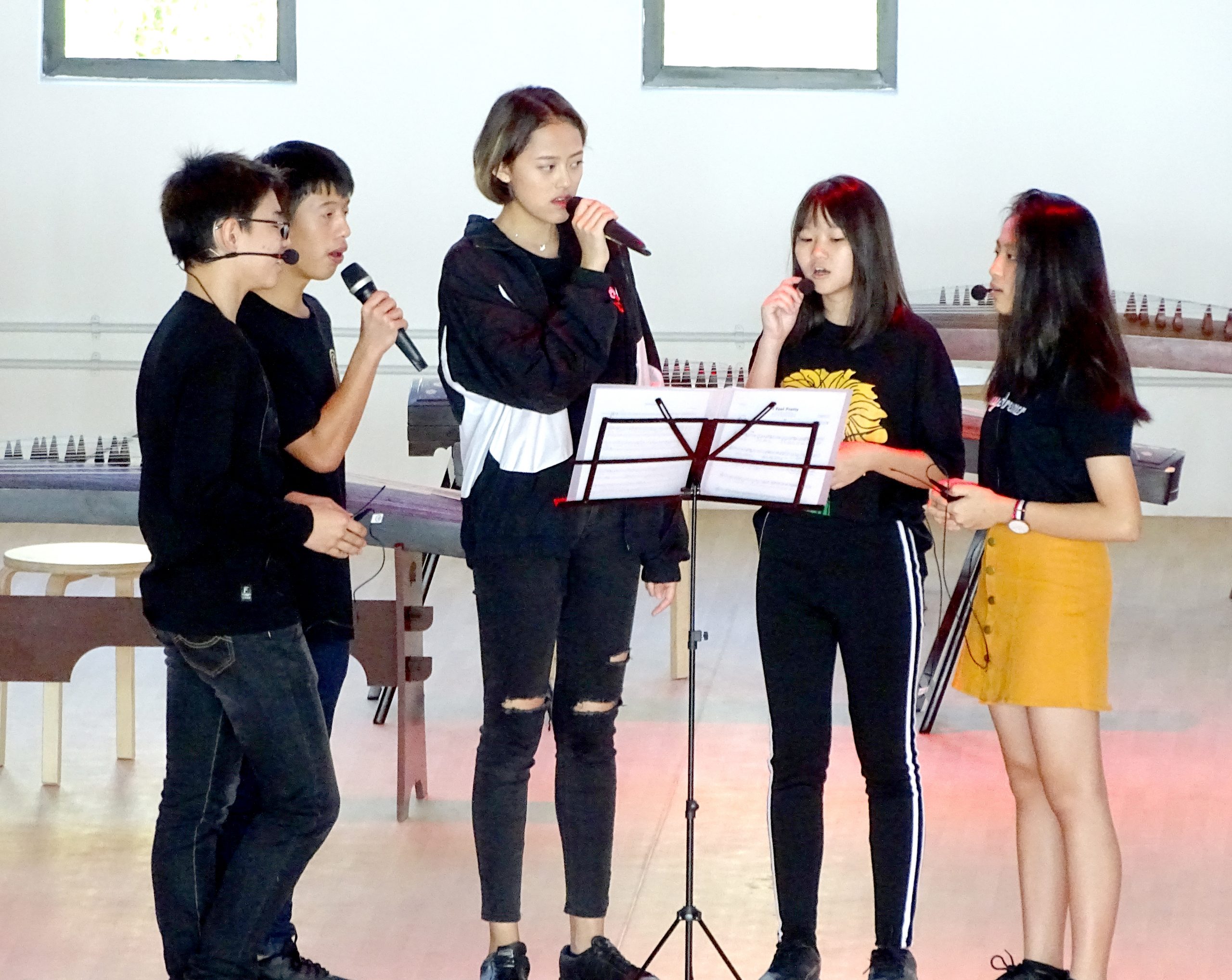
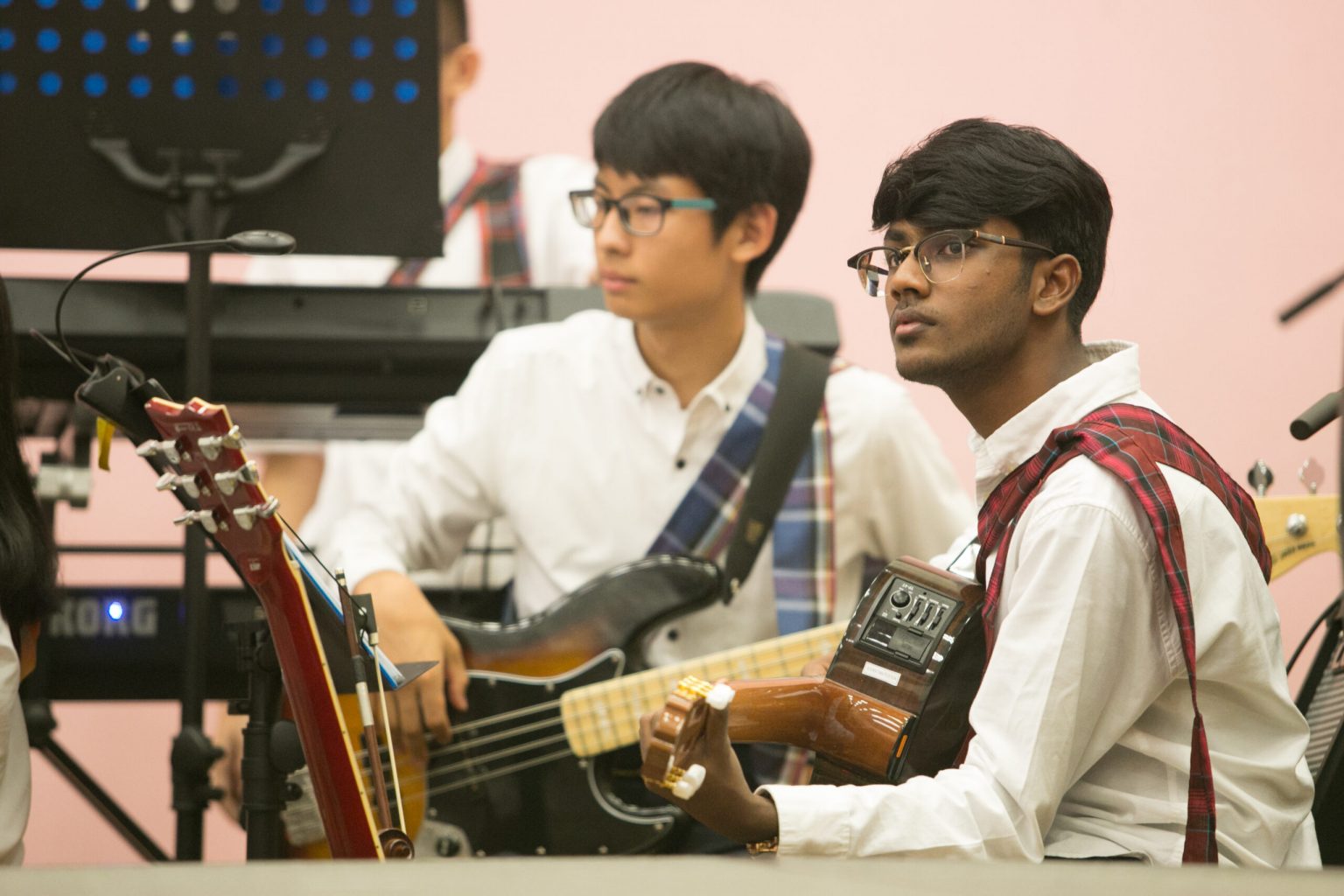
At Maple Leaf Kingsley International School (Malaysia), we believe that true learning and development take place both in the classroom and outdoors. Hence, our clubs and societies play an important role in shaping our student’s interests, allowing them to discover their talent, creativity and innovation. From arts and drama to music and language, involvement in extracurricular activities can help children develop amazing skills for life!

We empower our students to develop the skills that allow them to be confident in exploring their own potential. Our programme, Learning Journeys, is a series of real-world experiences for primary and secondary school students. It enriches academic learning with hands-on exploration and allows students to tackle real issues in the places they visit.

Primary level students go on day excursions while secondary level students participate in overnight camps annually. On top of that, Year 8 and 9 students get the opportunity to participate in Overseas Exchange programmes with our partnered schools to broaden their worldview and experience different cultures.

While academic education is a child’s primary source of learning, their unique personality can be nurtured positively through extracurricular activities. So, why limit a child’s exposure to academics and athletics when extracurricular activities offer a pool of skills for self-improvement?

DSC_0001-scaled-1

Why is primary school more important in child development than most people think

Why is primary school more important in child development than most people think

DSC 0001 scaled 1

Primary school education is often overlooked as an important phase of child development. The reason for this might be the focus on secondary education and higher studies. Many people think that primary education is all about reading, writing, and arithmetic.

However, it is more than that.

Throughout the years of a child’s life in primary schooling, they put their feet forward in understanding themselves and about the inner workings of the world around them.

Students having a class on Skills That Will Define The Jobs

A quality primary education can help children succeed in later life by fostering their intellectual, social and emotional development. This is critical for both individuals and society as a whole because educated people are more likely to be productive members of society and contribute. 

We like to look towards Finland – the happiest country in the world.

According to UNICEF, “Primary education forms the bedrock of development. It is in primary school that children learn foundational skills that prepare them for life, work and active citizenship.”

Primary education is a critical time in a child’s development because it is when children begin to establish their identity and start to understand who they are and where they fit into society. It is during this stage that children learn to interact with others, make friends and understand those around them.

Children also develop many skills during this period, including literacynumeracyself-esteem and discipline. This early learning sets the stage for future success in school and beyond.

Role of primary education in holistic development of a child

The primary school years have a significant impact on children’s development. Here are few benefits of primary school education for children:

Social Development

Communication is key to a healthy society. And one of the most important roles of primary school education is to help children learn social skills that will aid in their development throughout life. Children learn how to interact with other people and how to get along well with them. This is especially important for children who have trouble interacting with others or following rules when there are no consequences for misbehaviour. Primary school helps children develop positive interpersonal skills such as cooperation and respect for other’s needs and feelings.

DSC 1127 scaled 1

Emotional Development

Emotional development happens when children learn how to manage their emotions in positive ways so that they can deal with difficult situations without getting upset. They also learn how to express themselves freely without feeling shy or embarrassed about it. Primary school helps children develop positive emotional skills such as self-awareness, self-control, empathy, responsibility, and good decision-making skills.

Intellectual development

Primary school education helps children to develop their thinking skills so that they can solve problems intelligently and independently. Their intellectual ability is improved through challenging activities suitable for their age, such as reading books or listening to stories from an early level which helps them develop reasoning skills that will help them throughout their lives.

DSC 0659 scaled 1

Cognitive development

Children have an innate curiosity about the world and they learn through interactions with others, exploring new environments and solving problems. These experiences help them develop an understanding of how things work, which is essential for the development of language, cognition and reasoning skills.

Physical development

Primary school offers plenty of opportunities for children to participate in physical activities such as running, jumping, throwing and catching objects – essential for maintaining balance and coordination. Apart from developing motor skills for the major muscle function, children are given the chance to socialise through group activities like sports, dance classes and more. Group activities with friends encourage positive interactions in children and ingrain them in a society with healthy habits. 

DSC 1537 1 scaled 1

Providing a stimulating environment

Children learn best when they enjoy what they’re doing, so it’s important that primary schools provide them with a stimulating environment where they can thrive academically as well as socially and emotionally.

DSC 0011 scaled 1

At Maple Leaf Kingsley International School, students are always our priority. We maintain a confident, engaged, innovative and bully-free environment that encourages an atmosphere of tolerance, openness and trust.

Our teachers employ fun and creative methods of teaching to create engaging learning experiences that empower students and create excitement to come back to school every day. 

Students are encouraged to ask questions, research their interests, train their bodies and mind, and be who they are, and who they want to be.

Image 2 scaled 1

Apart from the teachers, students and staff that make up the heart of Kingsley, the natural and built environment of the school play a key role as well. 

Large fields and ample space in facility rooms for students to use helps with maintaining distance while encouraging students to move and exercise.

Spacious classrooms and common spaces are available for students to help them learn comfortably and properly distance themselves from each other. 

Our state-of-the-art facilities and an expansive environment to learn in ensure that we are able to cultivate a supporting atmosphere for students to flourish.

At Maple Leaf Kingsley International School, we focus on our student’s well-being and happiness by offering a nurturing and supportive environment where children can learn, grow and express themselves. We ensure that Kingsley is a home away from home for our children.

Note: Maple Leaf Kingsley International School follows proper masking and standard SOPs to ensure students, teachers and staff are safe.

Fondly known as Kingsley – we are a homegrown international school established in 2011. We have garnered recognition from Malaysians and Expatriate parents alike through our devotion to moulding the next generation and our exceptional British curriculum. Click here to know more about us. 

5 ways to find the best international primary school for your child

5 ways to find the best international primary school for your child

IMG 20171120 130143 scaled 1

“When it comes to finding the best primary school for your child, there can be endless options. 

Classroom facilities? A great curriculum? Academic standard? Learning new skills – like coding and languages for example? However, when you decide to pick the right school for your little one, it can be difficult! Here are 5 expert tips on how you can narrow down your search and get your children the head start they deserve.”

DSC 1537 scaled 1

Starting school is an exciting start to a new adventure. Children begin to explore the world around them. They start to form relationships with other students and their teachers. They build upon the knowledge they already have and make discoveries as they get older. But the most important thing about primary school is that it helps children become the people they were meant to be!

Primary school is the first major part of a child’s learning experience and it is important to find a school that will nurture your child’s interests while equipping them with the knowledge and skills required to thrive in future. 

Now that children are back to school, here are five features that you need to consider before you zero in on the place that suits your child the best.

1. Environment and ethos

The environment of a school is one of the most important factors to consider when looking at different options as it will affect your child’s happiness, confidence, attitude and success within the classroom.  It is important to look at the ethos of the school as well – what is it they are looking to achieve? Is it solely focused on academic results? Or do they want to build a rounded individual who has a passion for learning and life?

A structured environment is imperative to the growth of children. There are a multitude of factors that go into creating a nurturing and positive environment, but a school that prioritises the well-being of children is bound to succeed. 

At Maple Leaf Kingsley International School, students are always our priority. We maintain a confident, engaged, innovative and bully-free environment because we recognise that children learn by imitating those around them.

2. Curriculum 

How does the school structure lessons? What does an average day look like? Does the school offer specialist subjects like music or foreign languages? Does it encourage extracurricular activities or trips to help children learn in different ways? 

Many of the skills and talents we learn as children pave the way for the rest of our lives. Tapping into the enthusiasm and creativity of young people is vital. A curriculum that welcomes creative thinking and allows children to express themselves positively will lead to the development of skills and talents.

We expose our students to a wide range of subjects along with science kits, games, mathematical manipulatives, interactive whiteboards, computer skills and field trips for a hands-on and experiential learning journey.

DSC00337 1536x1152 1

3. School infrastructure and facilities

State-of-the-art facilities for students play an important role in the enhancement of the learning experience, helping students in their physical, spiritual, mental and social development.

Amenities such as computer lab, science lab, internet connectivity, sports clubs, literary clubs, playgrounds, library and swimming pool only make studying easier and more exciting. Parents who require boarding can look for the residential halls which provide services such as meals, laundry, health and counselling support for the children.

At Kingsley, we provide spacious classrooms and common spaces for students to learn comfortably and properly distance themselves from each other. Large fields and ample space in facility rooms for students to use helps with maintaining distance while encouraging students to move and exercise. Our state-of-the-art facilities and an expansive environment to learn in ensure that we are able to cultivate a supporting atmosphere for students to flourish.

9b5ec633 fa96 4611 8ddf 267a68603276

4. Culture and community

Does the school have a strong community? What kind of support does the school provide for students and parents? How involved and engaged are the teachers and parents? What values does the school promote? Is it inclusive, open and friendly? 

These are a few questions you must ask yourself to ensure that your child is in an environment where they will flourish as a whole person and develop respect for others.

The culture of a primary school can make all the difference when it comes to your child’s happiness and success at school. It’s important to consider what kind of environment your child will thrive in. A positive environment and friendly staff will enable students to develop their learning potential and shine as an individual.

At Kingsley International School, we provide a safe and caring environment that encourages an atmosphere of tolerance, openness and trust. We safeguard and promote child welfare through a bully-free environment coupled with pastoral care and counselling services.

IMG 4455

To conclude, ask yourself…

5. Is it a fun place to learn?

Will your child enjoy going to school each day? Do they look forward to learning new things each day? Or are they disinterested in what is being taught and how it is being taught? 

When children enjoy going to school, they are more likely to be engaged in their classes, interact with their teachers and other students, and perform better in their studies and school assignments.

Your child’s formative school years have a lasting influence on their life. Hence, it is important to ensure that they go to a school where they are inspired and enthused to learn. 

At Maple Leaf Kingsley International School, our teachers employ fun and creative methods of teaching to create engaging learning experiences that empower students and create excitement to come back to school every day. Students are encouraged to ask questions, research their interests, train their bodies and mind, and be who they are.

Note: Maple Leaf Kingsley International School follows proper masking and standard SOPs to ensure students, teachers and staff are safe. 

Fondly known as Kingsley – we are a homegrown international school established in 2011. We have garnered recognition from Malaysians and Expatriate parents alike through our devotion to moulding the next generation and our exceptional British curriculum. Click here to know more about us.